Understand Your Baby's Sleep Architecture First
Helping your 3–12 month old sleep better comes down to a handful of evidence-based strategies — consistent routines, safe sleep environments, and the right sensory tools — not magic products or exhausting guesswork.
In this article
If you've ever found yourself swaying in the dark at 2 a.m., desperately googling "why won't my baby sleep," you're in excellent company. The American Academy of Sleep Medicine reports that up to 30% of infants experience significant sleep difficulties at some point in the first year — and parental sleep deprivation that follows is linked to increased rates of postnatal depression and reduced daytime functioning. The good news: the science of infant sleep has never been richer, and the practical tools available to parents today are genuinely impressive.
This guide is for parents of babies aged 3–12 months — past the newborn fog, but still navigating unpredictable nights. Here's what you'll understand by the end:
1. Understand Your Baby's Sleep Architecture First
Before reaching for any product, understanding why your baby wakes is the single most useful thing you can do.
Infants between 3 and 12 months cycle through sleep stages roughly every 45–50 minutes — far more frequently than adults. At the end of each cycle, they briefly rouse. Adults do this too, but we've learned to put ourselves back to sleep without fully waking. Babies haven't yet — and that's the crux of most infant sleep challenges.
What changes between 3 and 12 months
- 3–4 months: A neurological shift (sometimes called the "4-month sleep regression") reorganises sleep into more adult-like stages. Expect more frequent waking temporarily. - 5–7 months: Most babies can consolidate a longer first stretch of 5–6 hours if conditions are right. - 8–12 months: Separation anxiety peaks, and developmental leaps (crawling, pulling to stand) can temporarily disrupt sleep again.
2. Use White Noise — The Most Evidence-Backed Infant Sleep Tool
White noise works, and the research is clear. A landmark study published in Archives of Disease in Childhood found that 80% of newborns fell asleep within five minutes when exposed to white noise, compared to 25% in the control group. While that study focused on newborns, the calming mechanism — masking sudden environmental sounds that trigger the startle reflex — remains relevant throughout the first year.
Continuous background sound can reduce the salience of sudden acoustic events that would otherwise arouse a sleeping infant.
— American Academy of Sleep Medicine, Clinical Practice Guidance (2020)
Choosing the right sound machine
Not all white noise machines are equal. Key features to look for:
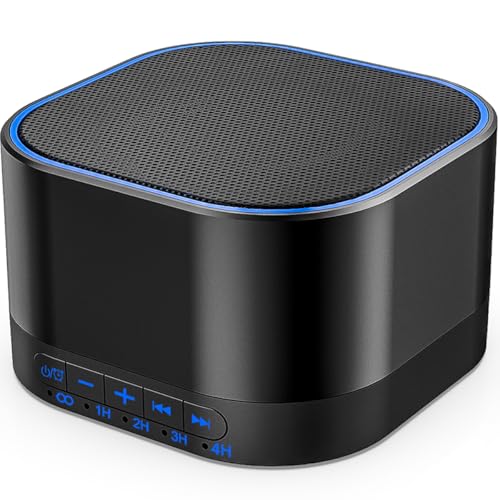

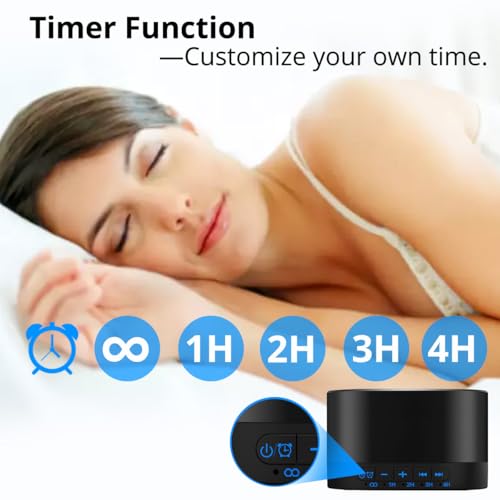
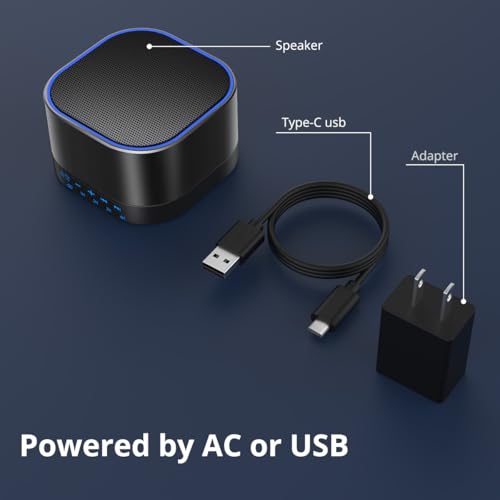
Magicteam Sound White Noise Machine with 20 Non Looping Natural Soothing Sounds and Memory Function 32 Levels of Volume Powered by AC or USB and Sleep Sound Timer Therapy for Baby Kids Adults
- ❤20 Non-Looping Sleep Sounds: White noise ,Brown noise, pink noise, blue noise, fan,brook, rain, ocean,bird an
- ❤Precise Volume & Timer Settings:With 32 Levels of Volume ,it is perfect for baby sleeping .And you can set 1
- ❤Unique Design: Solid-state design with 3.01inch*3.01inch *1.77inch,it is portable for home, office or travel,
The Magicteam Sound Machine is a standout for nursery use — 20 genuinely non-looping sounds (including brown, pink, and white noise) and 32 volume levels make it easy to dial in exactly the right environment. At under $21, it's one of the best-value options on the market.
For travel and on-the-go naps, the Dreamegg D11 Max packs an 1800mAh battery (most competitors offer 500mAh) and 21 sounds into a compact unit — a genuine lifesaver when the power goes out or you're navigating airport nap attempts.
3. Build a Consistent Bedtime Routine (Even a Short One Works)
A predictable pre-sleep sequence is one of the most powerful — and completely free — tools in your kit. Research published in the journal Sleep found that infants whose parents implemented a consistent three-step bedtime routine showed significantly improved sleep onset, fewer night wakings, and better mood the following day within just two weeks.
The routine doesn't need to be elaborate. The key is sequence and consistency, not duration.
A simple 20-minute routine that works
1. Warm bath (5 minutes) — the drop in core body temperature afterwards signals the brain that sleep is coming 2. Gentle massage or lotion (3–5 minutes) — skin-to-skin contact releases oxytocin in both of you 3. Feed (if age-appropriate — avoid feeding to sleep if you're working on independent settling) 4. One short book or song (3–5 minutes) — even at 4 months, the rhythm of a familiar voice is regulating 5. Into the cot, drowsy but awake — this is the phrase you'll hear from every sleep consultant, and it matters
4. Swaddle Safely to Suppress the Startle Reflex
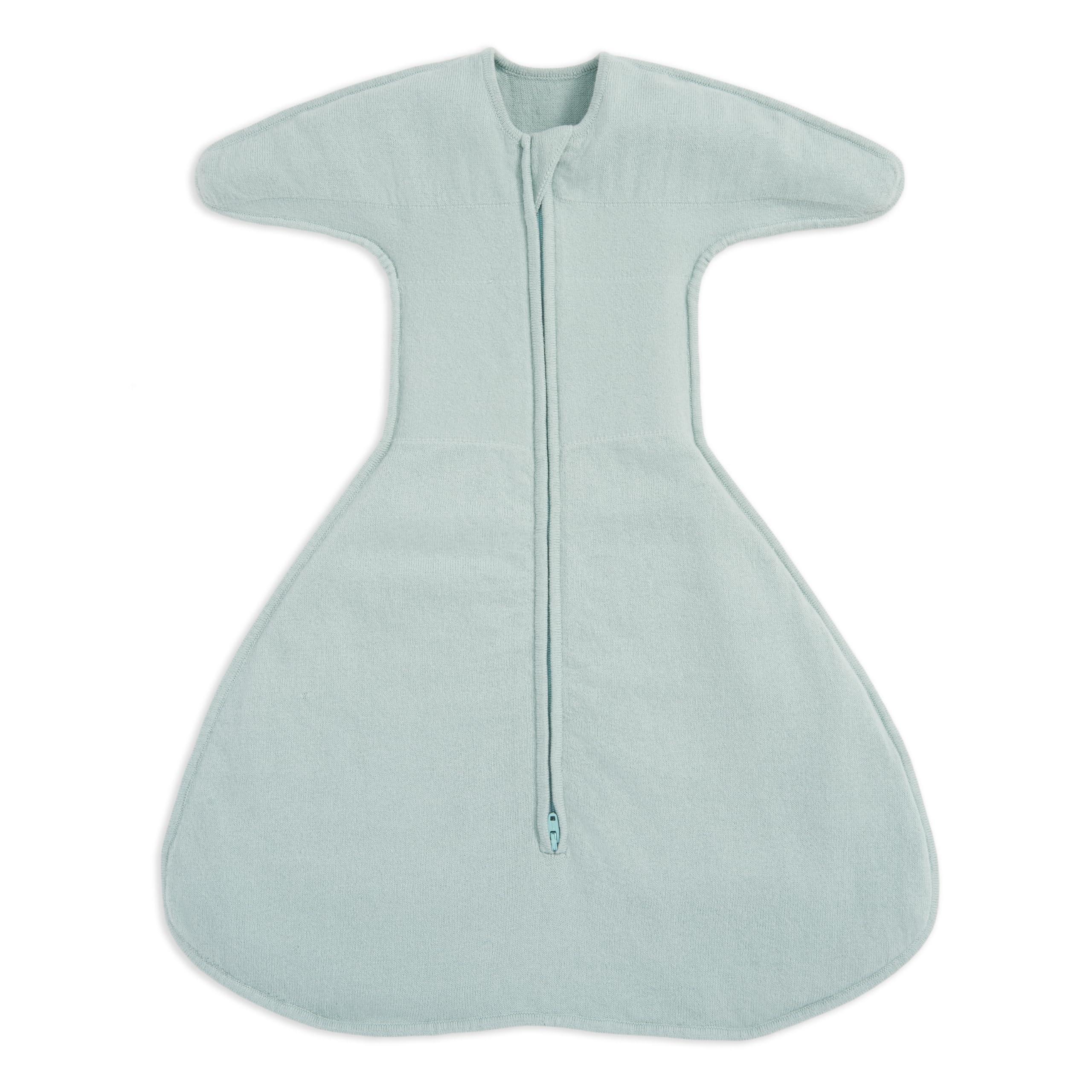
The Moro reflex — that sudden full-body startle that jolts your baby awake just as they're drifting off — is one of the most common sleep disruptors in the first few months. Swaddling works by containing arm movement, reducing the reflex's impact.
Critical safety rules for swaddling
5. Optimise the Sleep Environment: Temperature, Light, and Mattress Safety
The physical environment your baby sleeps in affects both safety and sleep quality. The AAP's safe sleep guidelines — updated in 2022 — remain the gold standard, and they're worth revisiting even if you've read them before.
Infants should be placed on a firm, flat, non-inclined sleep surface on their back for every sleep until age 1.
— American Academy of Pediatrics, Safe Sleep Guidelines (2022)
The three environmental levers
Temperature: The ideal nursery temperature is 68–72°F (20–22°C). Overheating is a recognised risk factor for SIDS. Dress your baby in one more layer than you'd wear yourself, and feel the back of their neck — it should feel warm, not sweaty.
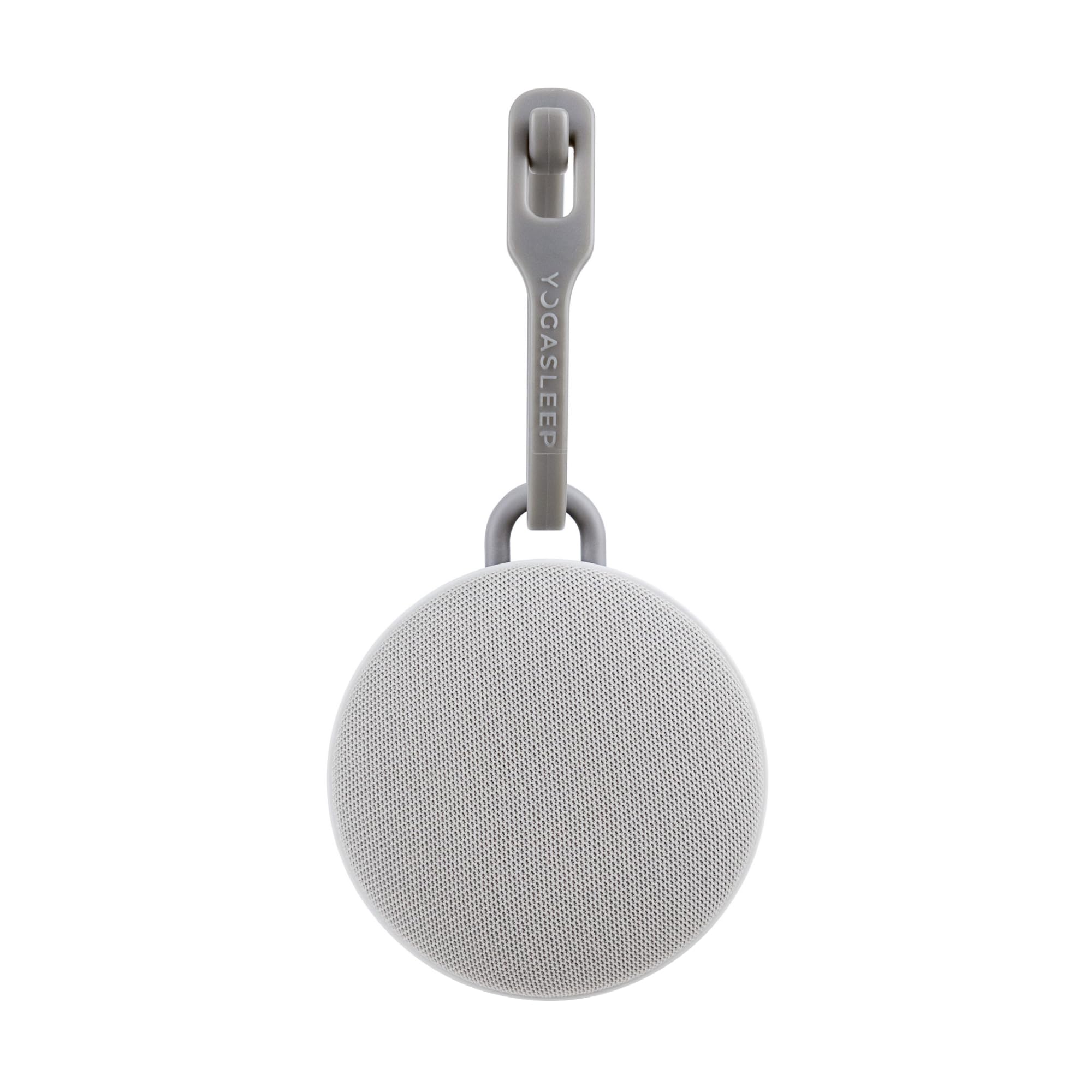
Light: Darkness triggers melatonin production. Use blackout curtains for naps and overnight sleep. A dim amber night light (like the one built into the Yogasleep Hushh) is enough for night feeds without disrupting melatonin.
Mattress: A firm, flat surface is non-negotiable. The mattress should fit snugly in the cot with no gaps at the sides. Organic options (free from flame retardants and synthetic foams) are worth considering for a surface your baby will spend 12–16 hours a day on.


Brown Noise Sound Machine with 30 Soothing Sounds 12 Colors Night Light White Noise Machine for Adults Baby Kids Sleep Machines Memory Function 36 Volume Levels 5 Timers for Home Office Travel
- ❤[30 Natural and Soothing Sounds] Our white noise machine provides 30 soothing sounds, including 3 Brown noise
- ❤[12 Night Light Colors] Sound machine with 12 kinds of light color, to suit your personal preferences at any
- ❤[10 Adjustable Levels Night Light] An adjustable soft lighting creates a comfortable sleeping atmosphere for
The BrownNoise Sound Machine doubles as a nursery night light with 12 colour options and 10 brightness levels — useful for night feeds when you need just enough light to see without fully waking your baby or yourself.
6. Respond Thoughtfully: Finding Your Approach to Night Waking
How you respond to night wakings shapes your baby's sleep associations over time. There is no single "right" method — the evidence supports a range of approaches, and the best one is the one you can implement consistently without burning out.
The main approaches, briefly
- Responsive settling: Attend to every waking, offer comfort (patting, shushing, voice) without feeding or picking up. Gradually reduce the intensity of your response over days. - Graduated extinction (controlled comforting): Check in at increasing intervals (e.g., 3 min, 5 min, 10 min). Not suitable before 5–6 months or if your baby is unwell. - Bedtime fading: Temporarily push bedtime later to build sleep pressure, then gradually move it earlier once settling improves. - Feed-to-sleep (for younger infants): Perfectly appropriate at 3–5 months. Sleep associations become more entrenched by 6+ months, so this is worth revisiting if night feeding is frequent after that point.
7. Time Naps Strategically to Protect Night Sleep
Naps and night sleep are not in competition — they support each other. An overtired baby produces more cortisol, which actually makes it harder to settle at night. But too much daytime sleep (or naps too late) can chip away at night sleep pressure.
Age-appropriate nap windows
| Age | Typical Naps | Ideal Wake Windows | Last Nap Ends By | |---|---|---|---| | 3–4 months | 4–5 naps | 60–90 min | Flexible | | 5–6 months | 3 naps | 1.5–2 hours | 5:00 PM | | 7–9 months | 2 naps | 2–3 hours | 4:00 PM | | 10–12 months | 2 naps (transitioning to 1) | 3–4 hours | 3:30 PM |
For on-the-go naps when you're out past the ideal window, a portable sound machine makes a real difference. The Momcozy White Noise Machine offers 34 sounds, a night light, and app control — useful when you need to manage nap timing remotely or set a timer without entering the room.
8. Layer Your Strategies: The Multi-Sensory Approach
No single tool works in isolation. The most effective approach combines environmental optimisation, a consistent routine, and the right sensory support — what sleep researchers sometimes call a "multi-component intervention."
Think of it as stacking small advantages:

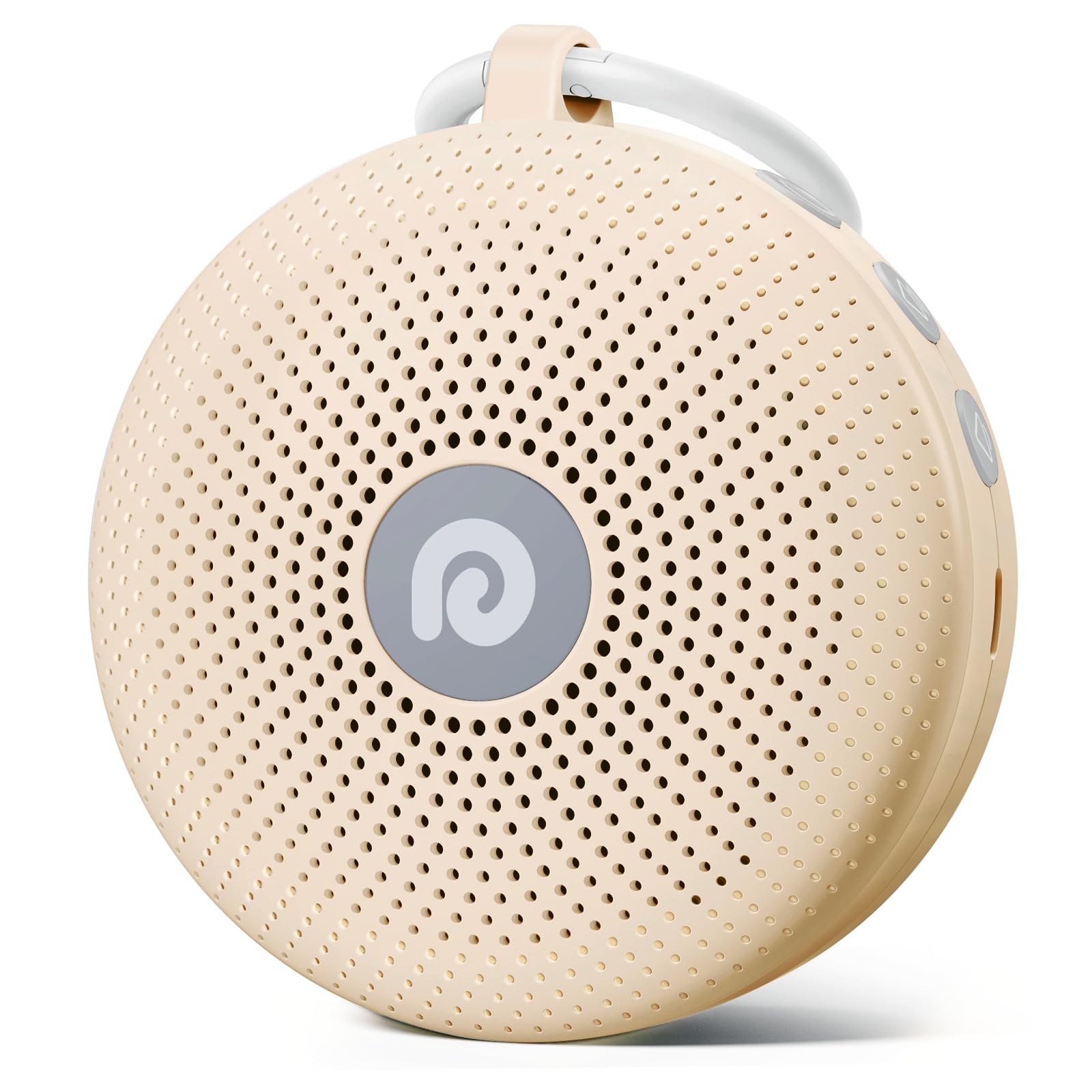

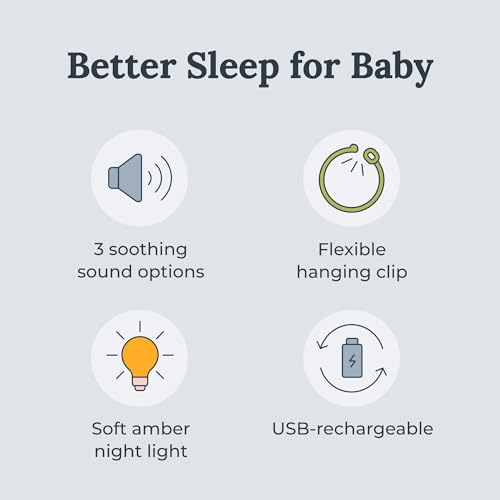
Yogasleep Hushh Portable White Noise Sound Machine for Baby, 3 Soothing Natural Sounds with Volume Control, Compact Size, Noise Canceling for Sleep Aid, Office Privacy, & Meditation, Registry Gift
- EFFECTIVELY MASKS NOISE: Beloved by generations since 1962, Yogasleep is the trusted leader in white noise mac
- 3 SOOTHING SOUNDS: Take control of your sound environment and choose from three calming sounds: bright white n
- NIGHT LIGHT: The Hushh's gentle amber LED night light emits just enough of a glow to comfort and guide you in
The Yogasleep Hushh is a beautifully simple example of this layered approach in a single device — trusted white noise (Yogasleep has been making sound machines since 1962), a gentle amber night light for feeds, and a compact design that travels anywhere.
Sound Machine Comparison: Which One Is Right for Your Baby?
| Sound Machine | Best For | Key Features | Drawbacks | Recommended Product | Price |
|---|---|---|---|---|---|
| Nursery / home use | Stationary bedside unit | 34 sounds, night light, app control, Wi-Fi | Needs to be plugged in | Momcozy White Noise Machine | $39.99 |
| Budget nursery pick | Firm, reliable home unit | 20 non-looping sounds, 32 volume levels, AC/USB | No battery, no night light | Magicteam Sound Machine | $20.89 |
| Travel & on-the-go | Portable, battery-powered | 21 sounds, 1800mAh battery, child lock | No night light | Dreamegg D11 Max | $19.99 |
| Stroller & cot rail | Clip-on portable | 12 sounds, 15-hr battery, stroller clip | Fewer sound options | Jaroco Portable Sound Machine | $14.39 |
| Simple & trusted | Classic white noise only | 3 sounds, amber night light, compact | Very limited sound variety | Yogasleep Hushh | $25.99 |
| Night light + sound combo | Dual-purpose nursery unit | 30 sounds, 12 light colours, 36 volume levels | No app control | BrownNoise Sound Machine | $20.88 |
Expert Insights
Infant sleep is genuinely one of the hardest parts of early parenting — not because you're failing, but because babies are neurologically wired to wake frequently, and learning to sleep is a developmental skill that takes time. The strategies in this guide won't produce overnight miracles, but applied consistently, they work. Start with one change tonight — a sound machine, a firmer routine, a cooler room — and build from there. Small, consistent shifts compound into real, lasting improvement. You've got this. Save this guide, share it with your co-parent or support person, and revisit it whenever a new sleep challenge emerges.
"Good infant sleep isn't about finding the magic trick — it's about building the right conditions, consistently, until your baby learns the rest."
If this guide helped, share it with another sleep-deprived parent who needs it tonight.
Sources & References
- American Academy of Pediatrics. "Safe Sleep Recommendations." 2022. https://www.aap.org/en/patient-care/safe-sleep/
- American Academy of Sleep Medicine. "Behavioral Sleep Problems in Children." 2020. https://aasm.org/
- Mindell, J.A., et al. "A Nightly Bedtime Routine: Impact on Sleep in Young Children and Maternal Sleep and Mood." Sleep, 32(5), 599–606. 2009.
- Hiscock, H., et al. "Improving Infant Sleep and Maternal Mental Health: A Cluster Randomised Trial." Archives of Disease in Childhood, 92(11), 952–958. 2007.
- Karp, H. The Happiest Baby on the Block. Bantam Books, 2002.
- Loewy, J., et al. "The Effects of Music Therapy on Vital Signs, Feeding, and Sleep in Premature Infants." Pediatrics, 131(5), 902–918. 2013.
- Field, T., et al. "Lavender Bathing Oil Reduces Crying and Promotes Sleep in Very Young Infants." Early Human Development, 84(6), 399–401. 2008.
- Canapari, C. It's Never Too Late to Sleep Train. Rodale Books, 2019.
Frequently Asked Questions
At what age can I start sleep training my baby?
Is white noise safe for babies?
How do I know if my baby is overtired vs. under-tired at bedtime?
When should I stop swaddling?
My baby only sleeps on me — how do I transition to the cot?
How many naps should my 9-month-old have?
Does brown noise work better than white noise for babies?
Was this helpful?
Thanks — your feedback helps us pick what to write next.